
The Clock That Kept the Village on Time
- Dec 4, 2025
- 3 min read
There was a period in Wilbraham’s history when the rhythm of daily life in Center Village was marked not by pocket watches or household clocks, but by a single public timepiece mounted high above the street. This town clock, visible to anyone traveling along Main Street or approaching the corner of Mountain Road, became a familiar landmark, one that reflected both the aspirations and the cooperation of the village residents.
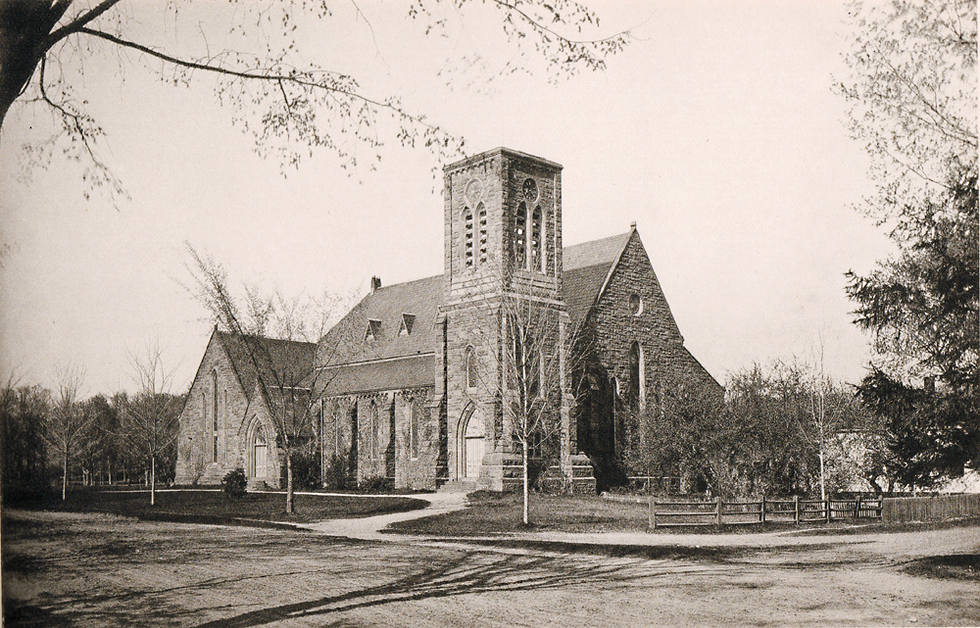
Its origins reach back to the years just before 1870, when the Methodist Society decided to construct a new church to meet the needs of its growing congregation. The site was where the second meeting house previously stood, in the heart of Center Village, at the junction of Main Street and Mountain Road. The design called for a substantial stone church, an investment of both resources and confidence in the community’s future.
To carry out this ambitious project, the Society hired Porter Cross, a respected builder and resident of Wilbraham. Under his supervision, the new stone church rose steadily, and by the beginning of 1870, the finishing touches were complete. On January 9 of that year, the church officially opened its doors to the public, marking a significant moment for the town. The building was not only a place of worship but quickly became a focal point of the village landscape.
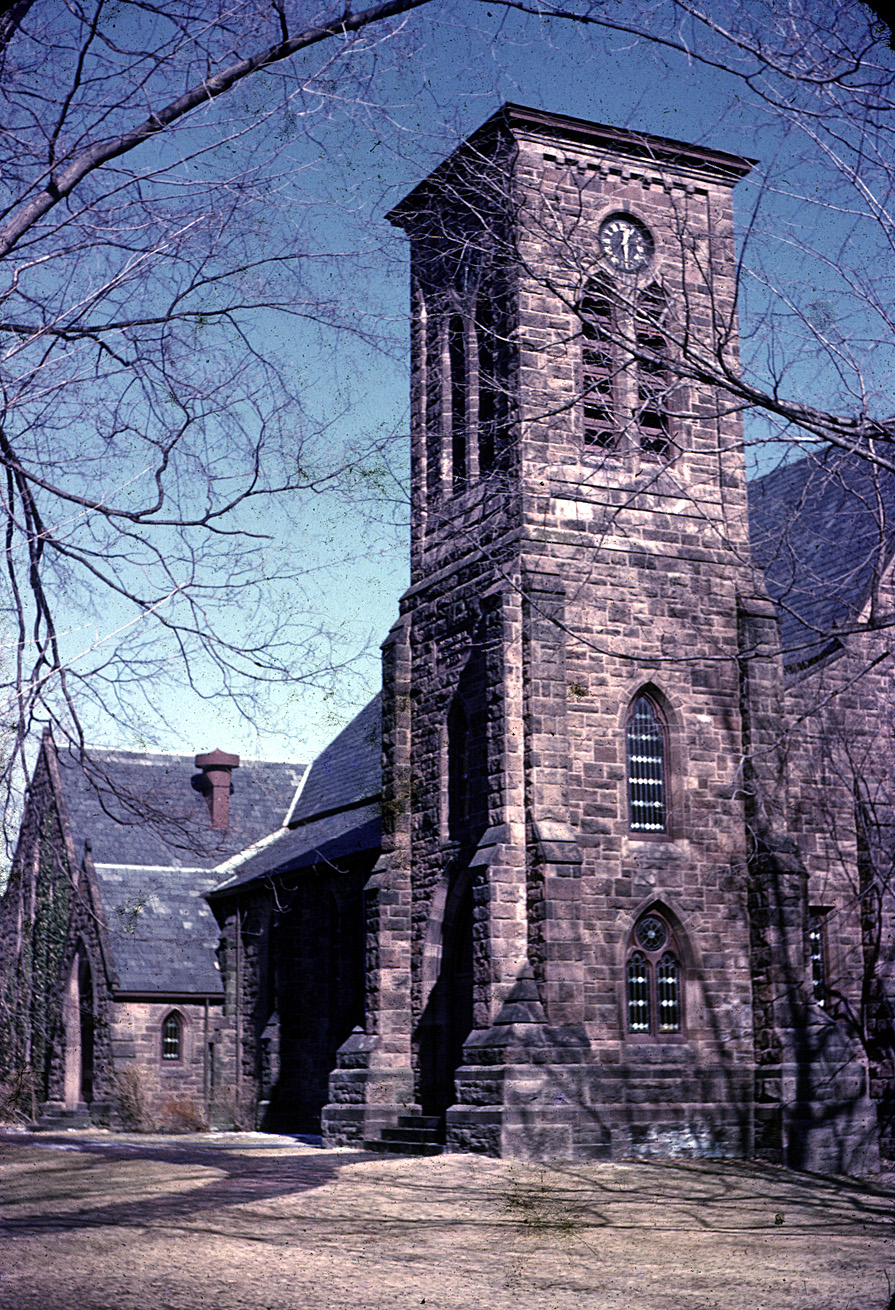
Adding distinction to the structure was a bell tower on its southwest side. It was here that the community chose to install a public clock, a black-face timepiece fitted with ornate gilded hands. This was not a modest addition. At a time when dependable clocks were expensive and not universally owned, a public clock visible from the street was both a convenience and a symbol of civic pride.
The funding for the clock came entirely from subscriptions. Residents contributed what they could, pooling their resources so that the village would have a reliable way to mark the hours. That willingness to contribute reflects how valuable such an instrument was to daily life before the spread of affordable personal timepieces.
Recognizing the importance of keeping the clock in good working order, the town took an official step twelve years later. At the 1882 town meeting, voters approved an annual appropriation of twenty-five dollars specifically earmarked “for winding and keeping the clock in good repair.” This small but meaningful appropriation ensured regular maintenance, because public clocks, especially those exposed to the elements, required steady attention to stay accurate.
Care for the clock received further support decades later through the generosity of Jesse Rice. When Rice died in 1930, his will included a provision establishing a trust fund for the Methodist Episcopal Church. The instructions were clear: the income from the fund was to be devoted to the care and maintenance of all the clocks in the building, with any remaining balance to support the church itself. Rice established this trust in memory of his father, mother, and wife, ensuring that the clock and the building that housed it would remain well attended long after his passing.
A major change came in 1943, when Wilbraham Academy acquired the church property. The Academy dedicated the building as the Alumni Memorial Chapel, repurposing it while preserving its historic presence in the village. Along with the building, the Academy took responsibility for the town clock. By then, the timepiece had already served generations of residents and travelers, faithfully marking the hours from its place above the village center.
Though the world around it continued to modernize, the story of Wilbraham’s town clock remains a clear example of how a community once came together to solve a simple but important problem: keeping time. It stands as a reminder of shared effort, local pride, and the desire to provide a useful resource for all who pass through the heart of Wilbraham.


Comments